
4 Common Signs of Pelvic Prolapse

Our organs are held together with a balance of bone, muscle, and tissue. If any of them weaken or fail, problems may result. Pelvic organ prolapse is an example of this issue, and here are the signs you may have this disorder.
Axonics Therapy for Fecal Incontinence: What to Expect

Fecal incontinence has many causes and can be embarrassing. Axonics® Therapy can help bring the condition under control so you can get your life back. Read on to find out how.
Why You Shouldn’t Ignore Pain After Sex

Dyspareunia, or painful sex, is common among women and has numerous causes. But just because painful sex is common doesn’t mean it’s OK to ignore it; some of the causes can be serious.
5 Ways to Manage Your UTI Symptoms

Urinary tract infections (UTIs) are common among women but treatable. To make sure you get UTI treatment when you need it, know what signs to look for and how to manage them when they come.
Understanding Your Vulvodynia Diagnosis

Pelvic pain isn’t unusual in women, and many conditions can cause pain in the genital area. Vulvodynia describes chronic pain in this area, and proper treatment depends on understanding your diagnosis.
5 Common Signs of Lichen Sclerosus
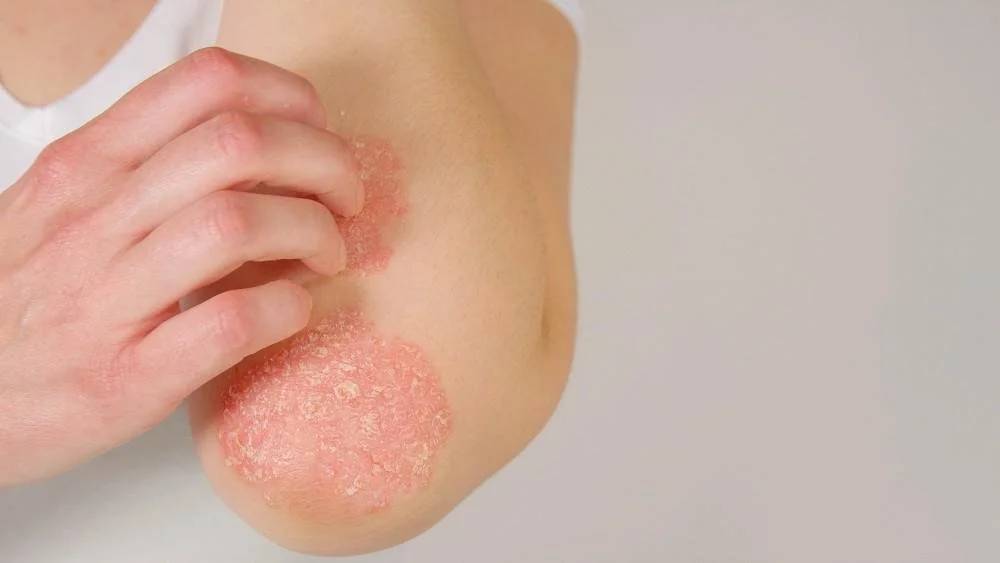
Lichen sclerosus is an uncommon condition that affects the skin, most often around the genitals. Read on to learn the signs of lichen sclerosus and how it can be managed.
Signs That You Are Suffering from Vaginal Mesh Complications

Vaginal mesh is a treatment for women dealing with conditions like prolapse and urinary incontinence, but it’s not without problems. Here are signs you may be experiencing vaginal mesh complications.
Treatable Causes of Chronic Pelvic Pain

Your pelvis is the lowest part of your abdomen and is responsible for numerous bodily functions. Pain there can happen for a variety of reasons, but you don’t need to live with it. Let’s look at some causes of pelvic pain and how we treat them.
Axonics for Your Bladder and Bowel: What to Expect

The sudden urge to urinate associated with an overactive bladder can be embarrassing and disruptive to your quality of life. Many patients also experience fecal urgency and accidental bowel leakage. Read on to find out how Axonics® Therapy can help.
Nutrition Tips to Help Manage Fecal Incontinence

Fecal incontinence can dramatically affect your quality of life, so treating it is important to allow you to do the things you enjoy. The food you eat can play a role in managing or even preventing this condition. Read on to find out more.